

Students
Exercise Physiology
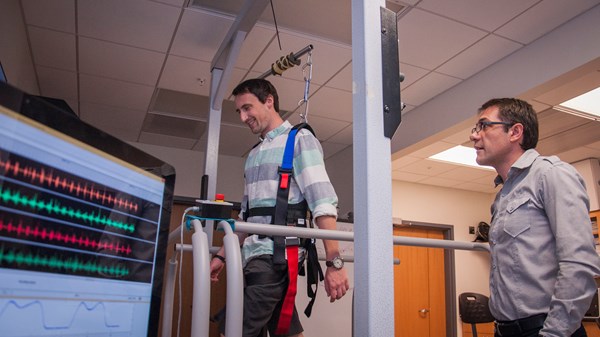
Where foundational training and practical application flourish.
Exercise physiologists are trained in integrative, preventive medicine and health care practices to evaluate people in cardiovascular fitness, muscular strength and endurance, flexibility, neuromuscular integration, and body composition.
Our unique, accredited undergraduate and master's curriculum prepares students for further study or immediate employment. In addition, our doctoral program in Pathophysiology, Rehabilitation, and Performance prepares students for careers in academic, industrial, and governmental research, among other career pathways.
WVU exercise physiology students learn from experts in their fields and engage in faculty-led, hands-on interactive learning in our human cadaver and performance labs. They complement this training with specialized coursework in dance science, aquatic therapy, tactical performance physiology, and more.
Get to know us.
Visit. Join us for a campus tour or prospective student day or take a virtual tour of the Health Sciences Center and the STEPS facility.
Connect. Find us on Facebook, Twitter, or Instagram.
Apply. Join our community by applying online at apply.wvu.edu.
Who You Are
Trained in human movement and physiology, exercise physiologists work to prevent or delay the onset of chronic disease in healthy people and to provide therapeutic benefits to those with known disease. They work to promote long-term physical and social health and independence and do so through individualized education, behavioral change, and prevention strategies.
Among other responsibilities, exercise physiologists provide personalized health assessments, conduct performance testing, and develop and prescribe exercise programs. They work with a variety of clients – including athletes, professional dancers and performance artists, first responders and service members, clinical populations, and the general public.
Exercise physiologists are versatile professionals who work in a variety of clinical and performance settings, including healthcare and rehabilitation, fitness, and corporate or community wellness.
Facts
-
ActiveStudents enjoy opportunities to study abroad, assist in research with animals or humans, and work with clinical patients in the Human Performance Laboratory.
-
EngagedMany students join organizations like the Exercise Physiology Club, participating in community service initiatives and building relationships with peers.

What You'll Do
As a trained exercise physiologist, you can expect to find career opportunities in diverse environments in hospitals and outpatient clinics; rehabilitation centers; corporate, community, and commercial wellness and fitness centers; and nursing homes and senior citizens centers. You may also find employment in research laboratories and at colleges and universities - among other opportunities!
With the integration of preventive medicine into healthcare, employment opportunities are expanding and growing at a rate faster than the national average for educated exercise physiologists - and our graduates find employment almost anywhere in the world.
Fact
Many exercise physiology alumni go on to study medicine, dentistry, physician assistant studies, athletic training, physical therapy, occupational therapy, and more.
Hear from current Mountaineers
-
![]()
 Duration:Exercise Physiology - Meet Rachel Reppert!
 -
![]()
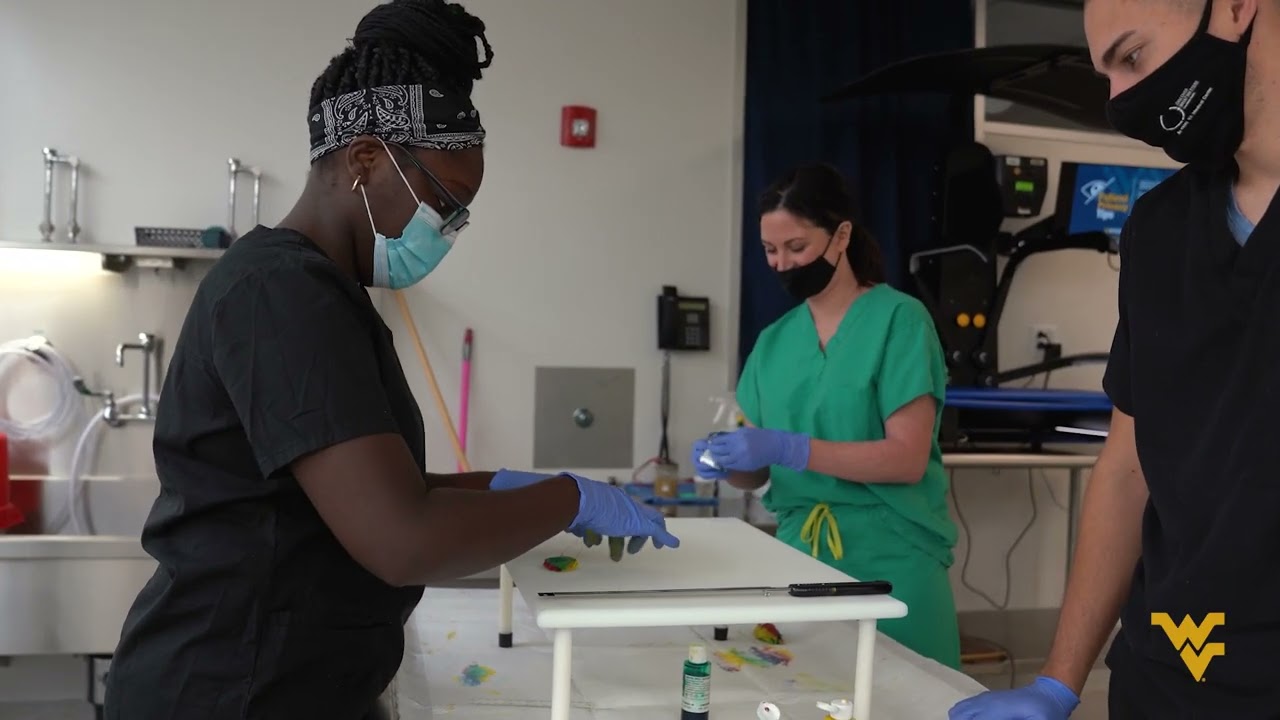 Duration:Explore the WVU School of Medicine
 -
![]()
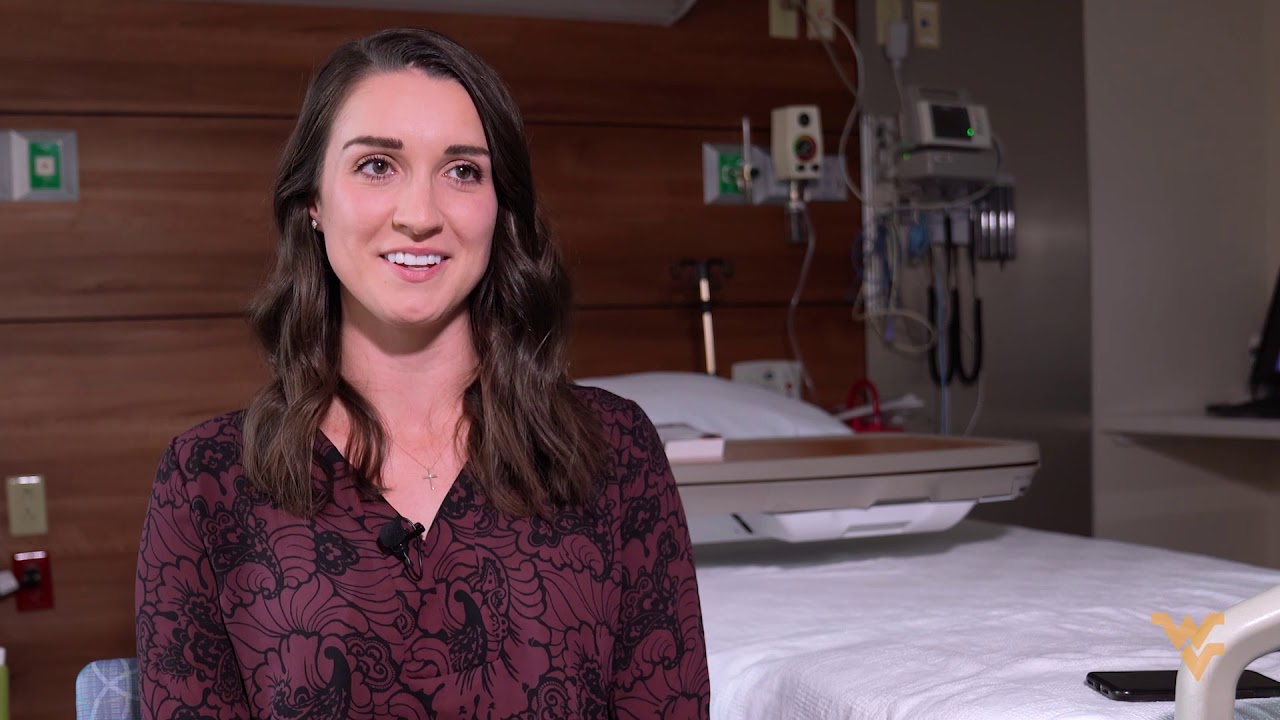 Duration:Trust Us About Morgantown
Connect with Us
Stay connected with what's happening at the School of Medicine.
Recent News

Accreditation
The Bachelor of Science and Master of Science (Clinical) programs in Exercise Physiology are accredited by the Commission on Accreditation of Allied Health Education Programs (CAAHEP).