WVU SOM Culinary and Lifestyle Medicine Track prepares graduates to treat and manage chronic metabolic conditions
For more than eight years, the Culinary and Lifestyle Medicine Track (CLMT) has been providing medical students at the West Virginia University School of Medicine with an advanced level of education and training in nutrition, wellness and lifestyle management.
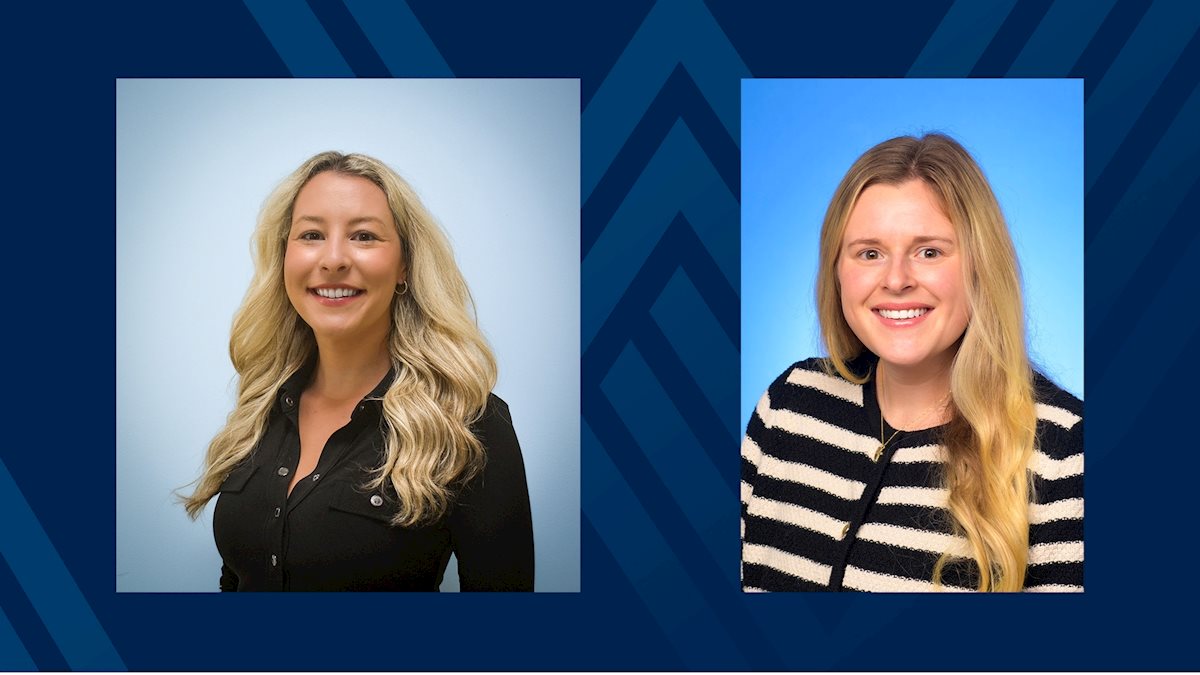
Two recent CLMT graduates, Jessica Arvon, MD, CCMS (’22), and Kat Shepherd, MD, CCMS (’23), credit the track for giving them the skills and tools they need to tackle the chronic metabolic conditions that affect thousands of West Virginians.

Dr. Arvon said she always had a vested interest in lifestyle medicine and nutrition, but that interest became a passion after a physician shadowing opportunity during her undergraduate studies opened her eyes to the prevalence of metabolic conditions across the region.
“While shadowing a physician as an undergraduate student, I saw firsthand how many patients struggle with obesity and other metabolic diseases,” Dr. Arvon said. “This inspired me to make eating healthier, exercising regularly and incorporating better wellness practices into my routine a priority in my life and the lives of my future patients. CLMT provided me with the perfect pathway to do just that.”
After graduating from School of Medicine’s Internal Medicine Residency Program in 2025, Arvon joined the faculty as an assistant professor. Now, as a physician practicing at the Medical Weight Management Clinic at J.W. Ruby Memorial Hospital, Arvon says she draws on what she learned through the track on a daily basis.
“The knowledge and skills I gained through the track provided a strong foundation of culinary and lifestyle medicine expertise that I continue to build on each day in my current practice,” she said. “The in-depth training on the components, benefits and restrictions of various diets allows me to provide proper dietary counseling to my patients, and gives me the confidence to build unique dieting plans for my patients that are tailored to their individual circumstances.”

Dr. Shepherd said she had a less traditional pathway to a career rooted in lifestyle medicine – one that began during her times as an undergraduate student majoring in economics.
“While studying social, health and food economics, I became fascinated with why people choose the food that they choose,” she said. “Are they limited by economic factors? Or by lack of access to fresh produce? It made me want to develop a better understanding of how the food a person eats directly affects their health outcomes, which led to my interest in this area of medicine and to my enrollment in the culinary track once I started medical school.”
Shepherd, who is also a graduate of WVU’s Internal Medicine Residency Program, is currently a first-year fellow in the Gastroenterology and Hepatology Fellowship Program. She said the experiences she had throughout her four years in the track have been instrumental as she has continued her specialized medical training.
“This knowledge was especially helpful early on in my residency training when I began regularly treating patients with chronic metabolic disorders such as diabetes for the first time. Often, these patients are looking for something simple that they can have control over. Dietary changes are ideal for that,” Shepherd said.
She highlighted that her four years of training in the track were particularly beneficial for building her patient interaction skills, which were strengthened by a stronger understanding of food access across Appalachia.
“CLMT taught us how to approach patients and encourage them to engage in meaningful conversations with us about their current weight, dieting habits and overall wellness, and how better management of these factors can protect against metabolic diseases,” she said. “Having a better understanding of how food access works in the community helps us better advise patients on how to manage their nutrition. We know what foods may or may not be available to them and can provide simple substitutions for unavailable ingredients that can still be used to prepare a healthy meal.”
Both Arvon and Shepherd earned their certification in culinary medicine (CCMS) by sitting for the optional National Certified Culinary Medicine Specialist Exam during their final year of the track. Since the track celebrated its first graduating class in 2021, every CLMT student who has decided to take the exam has passed and earned their CCMS certification, demonstrating an advanced level of expertise in culinary and lifestyle medicine concepts.
“The primary goal of CLMT is to increase the number of practicing physicians who possess a strong understanding, appreciation and skill development in nutrition, food science and preparation and lifestyle management issues to be able to properly educate patients in those areas and lessen their risk for chronic metabolic diseases,” explained Rosemarie Cannarella Lorenzetti, MD, MPH, CCMS, co-director of CLMT. “Drs. Arvon and Shepherd are two shining examples of this program’s mission in action. I was honored to work alongside them throughout their four years of training and am proud to see them carrying on their passion for improving the health and wellness of patients in West Virginia.”
To learn more about CLMT, visit the track’s official website.