WVU Vascular Surgery Fellows Present Quality Improvement Projects
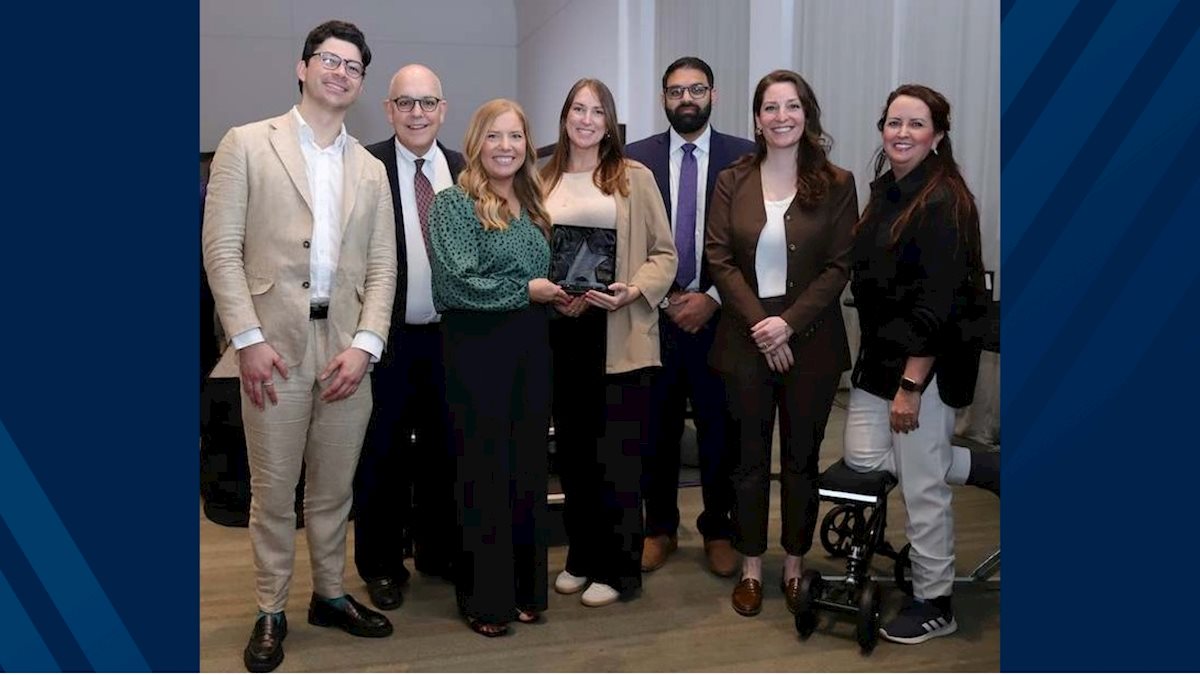
The West Virginia University vascular surgery fellows presented quality improvement projects at the national Vascular Quality Initiative meeting in conjunction with the Vascular Annual Meeting (VQI@VAM) in Boston, Massachusetts.
The VQI@VAM conference brings together vascular surgery professionals from across the country to share data-driven quality improvement efforts and strategies for improving patient care.
Gabriel Castro Gueits, M.D., a PGY VI vascular surgery fellow, presented his project, “Turning Intervention Into Prevention: Increasing Smoking Cessation Rates and Utilization of a Comprehensive Smoking Cessation Program.” He gave both a podium and poster presentation at VQI@VAM and also presented the project at the Virginias Vascular Study Group regional quality meeting held at VAM as well.
Dr. Castro Gueits’ project focused on smoking rates among patients with peripheral vascular disease who undergo interventions for claudication at the WVU Heart and Vascular Institute. The goal was to increase smoking cessation rates and encourage utilization of WVU Medicine's Tobacco Cessation Clinic.
Dr. Castro Gueits said smoking cessation is important because of the increased risk of vascular disease.
“VQI@VAM gave me an opportunity to learn how other healthcare institutions use data to identify problems and improve patient care,” he said.
Sagar Patel, M.D., a PGY VII vascular surgery fellow, presented his project, “Reducing Length of Stay Following Carotid Interventions,” at VQI@VAM. He gave both a podium and poster presentation.
Dr. Patel’s project looked at why WVU Medicine patients were experiencing comparatively longer hospital stays following carotid artery revascularization. The team examined possible reasons and found one of the biggest reasons was perioperative blood pressure management.
The study showed that managing patients’ blood pressure after surgery was one of the main reasons for the extended stays. Blood pressure goals also varied among providers. The team liberalized and standardized the BP goals, and over the next two years, WVU saw significant and sustained improvements in length of stay to regional and national standards.
Dr. Patel said the project addressed an important need because carotid surgery is a common vascular procedure.
"The Vascular Team is proud of the accomplishments of the Vascular Fellows and continue to be committed to providing the highest quality of patient care to the people of West Virginia," Department of Cardiovascular and Thoracic Surgery Assoiciate Professor and Chief of Vascular Surgery Pamela Zimmerman, M.D., said.
Medical Director of the WVU Heart and Vascular Quality Initiative Cara Lyle, M.D., shared similar sentiments.
"I am so grateful for the hard work and collaboration among the vascular surgery fellows and the quality team," Dr. Lyle said. "I am proud of our accomplishments in improving the quality of care provided to our patients. Dr. Castro Guiets and Dr. Sagar Patel did an outstanding job presenting their projects in the poster session and at the podium at VQI@VAM."
Dr. Castro Gueits will graduate fellowship in June of 2027. Dr. Patel has joined J.W. Ruby Memorial Hospital as a faculty vascular surgeon, with time spent practicing in Uniontown, Pennsylvania. He also plans to continue teaching future surgeons and physicians at WVU.
Dr. Patel said he is looking forward to serving the community, while continuing in educating future surgeons and physicians at WVU.
For more information on the Vascular Surgery Fellowship, visit https://medicine.wvu.edu/cardiovascular-and-thoracic-surgery/fellowships/vascular-surgery-fellowship/.